


For many, Christmas is one of the most cherished times of the year. It’s marked by celebration, tradition, family, and a genuine sense of joy. At the centre of it all is the image of a child in a manger.
Yet, for all the affection we have for Christmas, its true weight is too often detached from its ultimate purpose. The incarnation—God becoming man—cannot be rightly understood apart from Easter. Without the cross and resurrection, Christmas loses its meaning.
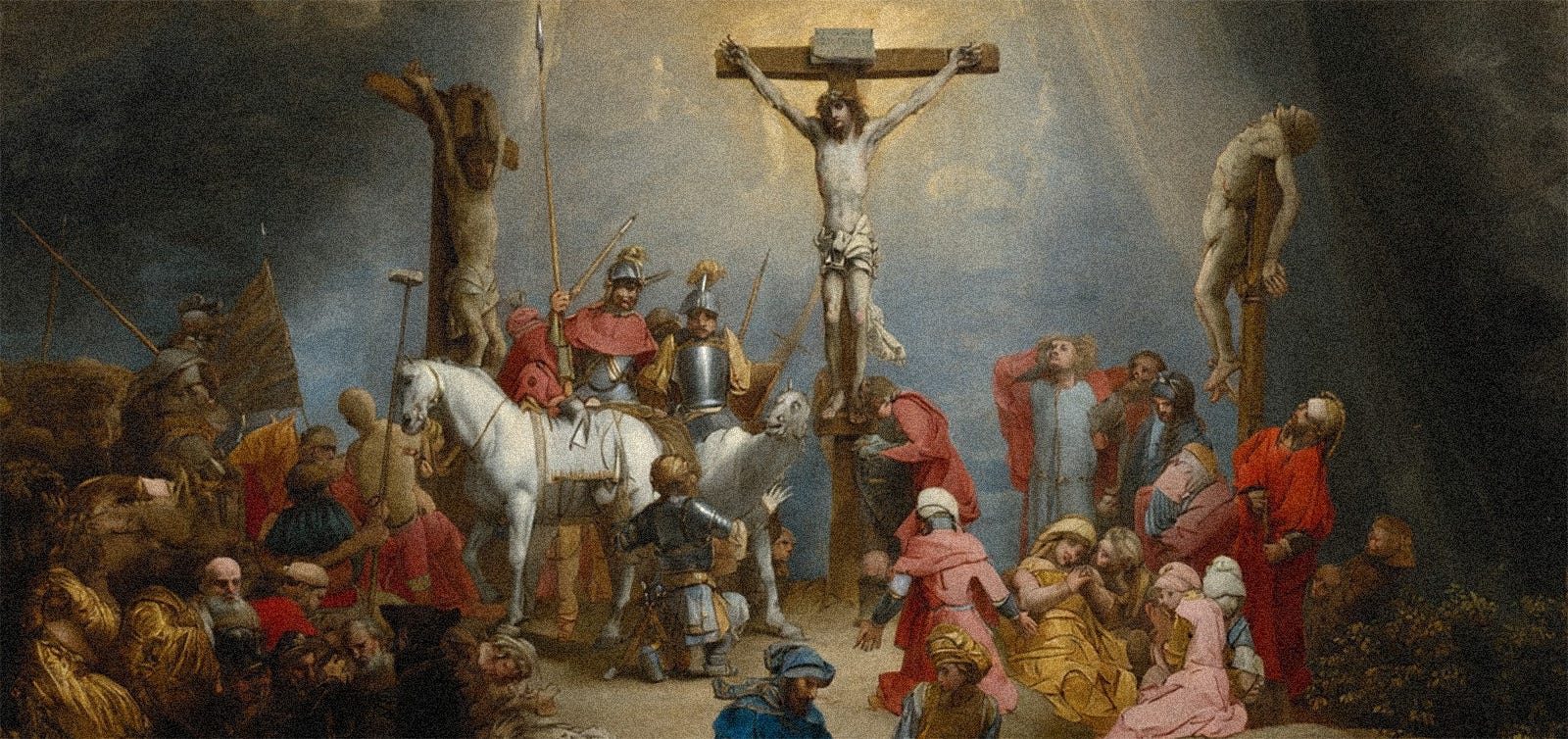
God did not take on flesh merely to provide human beings with a moral example to follow in life. He was born as a man in order to die as a man. The child in the manger was born with a purpose that led inevitably to the cross.
In becoming man, God entered fully into the human condition. Where Adam failed, Christ succeeded. As the true and better Adam, Jesus lived in perfect obedience to God at every point. Every thought, every action, every word was in complete alignment with the will of the Father. He lived the life that humanity was created to live, but never did. This perfect obedience was not merely exemplary—it was representative.
The heart of the incarnation is found in what theologians have long called the substitutionary atonement. Christ did not simply come to show us how to live; He came to stand in our place. On the cross, He bore the weight of sins—not His own, but ours. The cost of sin is death, and through Adam’s transgression, that sentence fell to all his progeny. However, the penalty that justice demanded was laid upon Jesus. In exchange, by faith, His righteous obedience is given to us. This is not earned or achieved, but rather, received. Our sin is imputed to Him. His righteousness is imputed to us.
This exchange is the very core of the Gospel—the “Good News.” Without Christmas, there is no Easter. Without the incarnation, there is no cross. Without the cross, there is no substitution. And without substitution, there is no salvation.
Yet the story does not end in death. The resurrection is the divine vindication of Christ’s work. It’s the proof that the final sacrifice was accepted, that the atonement was sufficient, and that death itself has been defeated. If the cross is the payment, the resurrection is the receipt. It confirms that sin has been dealt with fully and finally.
This is why Christmas cannot stand alone. To celebrate the birth of Christ without understanding its purpose is to take the opening chapter of the story while ignoring its climax. The incarnation matters because it leads to redemption. The baby in the manger came to be the man on the cross, and the man on the cross rose again as the victorious Saviour—Adam as he should have been; Israel as he should have been; David as he should have been; you and me, as we should have been.
In the end, the wonder of Christmas is not only that God became man, but why He did so. He took on a body so that body could be broken. He entered into our world of suffering in order to suffer. He suffered in it in order to redeem it. And by God’s grace, all who trust in Him share in the benefits of that great substitution—His righteousness for our sins, His life for our death.
What makes Good Friday “good”? It might sound like a strange name for a day that marks the brutal crucifixion of Christ, but “good” refers not to the suffering itself, but to what that suffering accomplished. Christ’s death achieved salvation, as He bore the penalty for sin so that others might be forgiven. At the cross, God’s mercy and justice meet; sin is not ignored or overlooked, but fully dealt with, at immense cost.
Ultimately, the darkest moment in history became the turning point of redemption. That’s what makes Good Friday “good.” It is the day our debts were cleared; the day forgiveness was secured; the day the Lamb of God took away the sins of the world.
“But he was pierced for our transgressions;
he was crushed for our iniquities;
upon him was the chastisement that brought us peace,
and with his wounds we are healed.”
Isaiah 53:5