


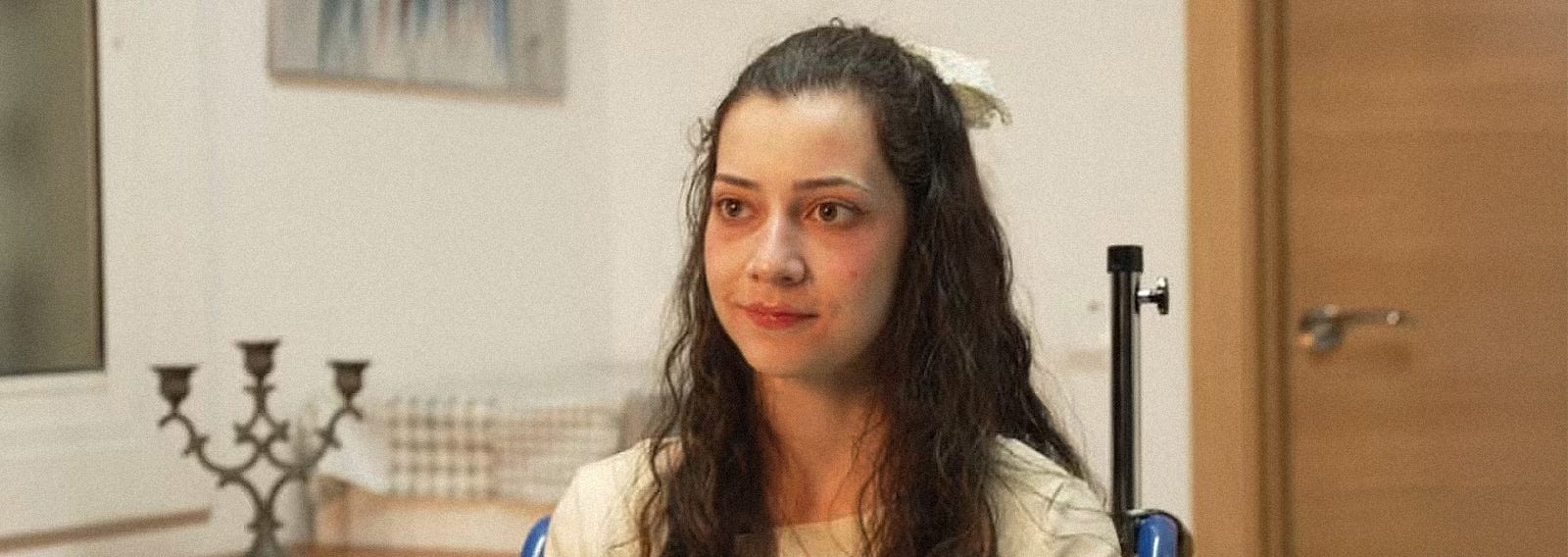
The internet is in a fury—and rightly so—following the reported assisted suicide of 25-year-old Spanish rape-victim Noelia Castillo Ramos in Barcelona.
According to the New York Post, Castillo had been living with paraplegia since 2022, when she survived a suicide attempt after jumping from a fifth-floor window. The attempt came just months after she was reportedly gang-raped while residing in a state-run care facility for vulnerable youth, where she had been placed due to family difficulties. Some reports specify that the facility housed migrants, with allegations that the rapists were not prosecuted.
Following her fall, Castillo was left paralysed from the waist down and confined to a wheelchair. In the years that followed, she experienced ongoing physical and psychological suffering.
In 2024, Castillo sought legal approval for assisted suicide under Spain’s 2021 Organic Law on the Regulation of Euthanasia, which permits the procedure in cases of serious and incurable conditions causing significant suffering.

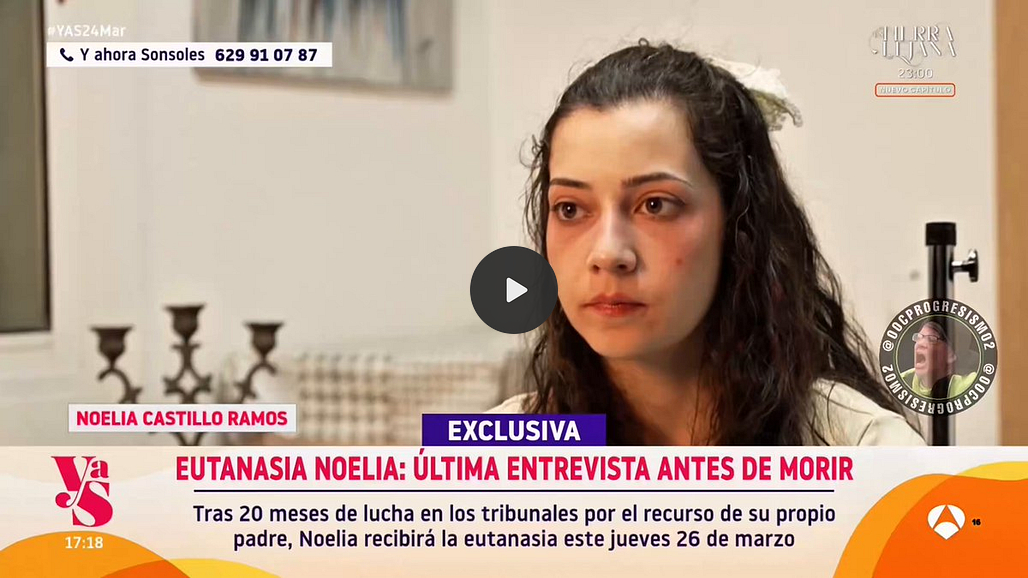
Her case faced opposition from family members, including her parents, who pursued legal action in an attempt to prevent the procedure. Spanish courts ultimately ruled in favour of Castillo’s request.
Her father, Gerónimo Castillo, together with the organisation Abogados Cristianos, mounted a series of legal challenges to halt the procedure, raising concerns about her mental capacity and opposing assisted dying on ethical grounds. The effort resulted in an approximately 601-day delay and multiple court battles, including appeals to Spanish courts, the Constitutional Court, and the European Court of Human Rights—all of which were ultimately rejected.
A last-minute emergency request to halt the procedure on Thursday, March 26, 2026, was denied by a Barcelona judge.
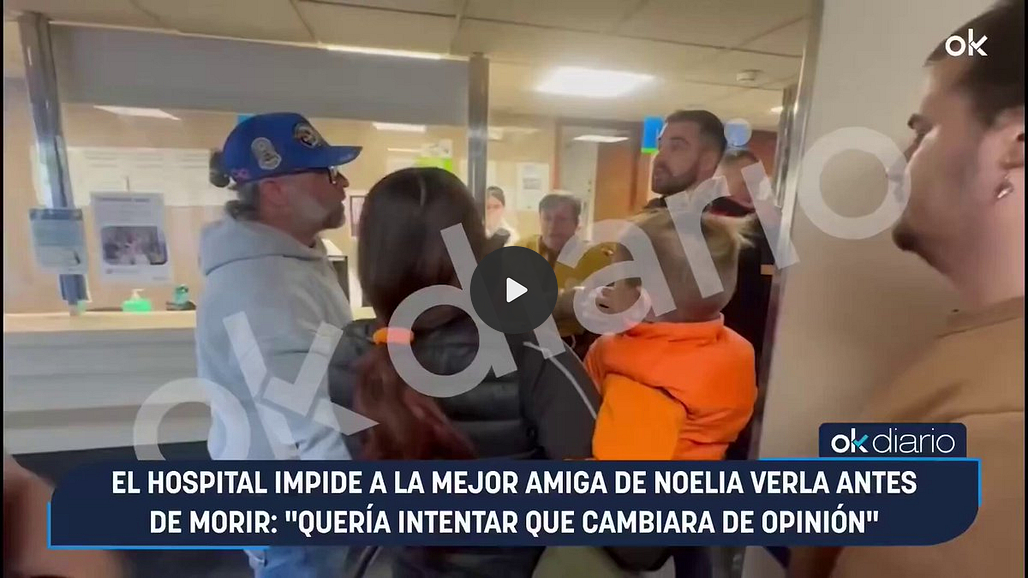
In the final days of her life, Castillo remained under medical supervision. Reports indicate that access to her was restricted during her final hours, in accordance with procedural protocols. A close friend, Carla Rodríguez, told Spanish media outlet Ok Diario that she had hoped to speak with Castillo to encourage her to reconsider, but was unable to do so.


Castillo’s mother continued efforts to halt the procedure until shortly before it was carried out, including public appeals urging her daughter to choose to live. These efforts were unsuccessful after the family lost their legal challenge.
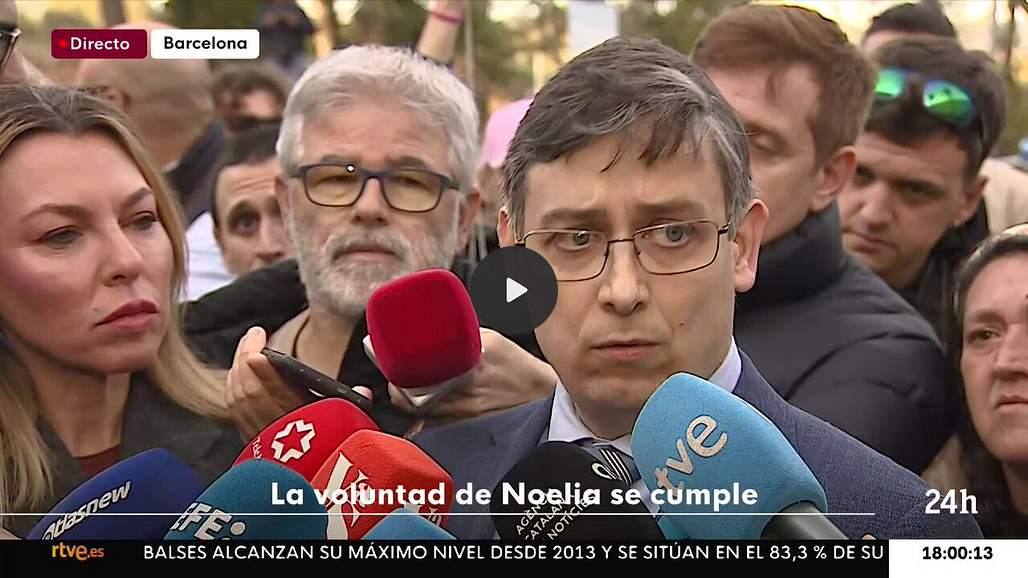
A spokesperson for Abogados Cristianos said, “There has been a failure in the healthcare system of this country. To a girl who has had a very tough life, which we all regret, the only thing that could be given to her is death.”

The case also drew international reaction. President of El Salvador, Nayib Bukele, commented on X, criticising the role of human rights organisations and arguing that the system had failed to protect Castillo while later facilitating her death.
“This is the ultimate goal of ‘human rights’ organizations,” he said, arguing that the system had failed to protect the victim. He further stated, “The world urgently needs to free itself from these organizations… they would rather literally kill victims than protect them.”
The case has reignited debate around the ethics of state-assisted suicide—what it truly is, despite being dressed up under the euphemism “euthanasia.”
It is the practice of intentionally ending a life to relieve pain and suffering—the term literally means “good death.”
For many, it is considered “good” because assisted suicide is framed as a solution—a legitimate way to escape suffering that feels unbearable. But is this a helpful, or even moral, way to portray suicide?
People rarely choose to end their lives while in a sound state of mind. They reach that point because they have been convinced by the promise of a “good death.” The lie of euthanasia is the suggestion that, in some cases, suicide is the best—or only—option.
But should society really be telling its most vulnerable members—those suffering from severe depression, crippling anxiety, or chronic illness—that ending their life is acceptable, even permissible? The consequences could be devastating, especially given the well-documented links between suicide and both mental and physical health.
One of the leading causes of suicide is mental illness. According to Suicide.org, up to 90% of individuals who die by suicide are living with a mental disorder at the time of their death. Suicide is also reported to be the leading cause of death among people affected by mental illness, with estimates suggesting that one in ten of those affected will take their own life.
A Survey of Mental Health and Well-Being found that 72% of participants who had seriously considered suicide suffered from a mental disorder. Among them, 77% had an anxiety disorder, 63% a mood disorder, and 34% a substance use disorder. Depression, the most common mental illness, sharply increases the risk of suicide.
Physical health issues also play a significant role. According to Beyond Blue, one in five suicides is linked to chronic health problems. Studies indicate that people experiencing chronic pain may have double the risk of suicide, and those with long-term illnesses are more prone to depression and anxiety.
Conditions such as heart disease, prostate and breast cancer, diabetes, arthritis, osteoporosis, asthma, and dementia are all associated with higher rates of depression. Indeed, research shows that rates of depression are four times higher among people with chronic pain than those without, and nearly one in three Australian adults with severe pain experience high or very high psychological distress.
Death is the final indignity, regardless of its circumstances. Yet the messaging around assisted suicide suggests otherwise. The notion of euthanasia as a “good death” inherently portrays suicide as a solution, a framing that is both misleading and dangerous.
Presenting suicide as, at times, the best—or only—option carries horrific consequences. It risks convincing vulnerable individuals, like Noelia, that ending their life is acceptable, even when recovery or meaningful support could have offered a path to healing.
The notion that suicide is, at times, the best option will no doubt have a tragic impact on people who might have otherwise recovered, at least to a point where they no longer wish to take their own lives.
This is why theology matters. At its core, the assumption behind assisted suicide is fundamentally atheistic: that death is “relief,” that it brings nothing—no accountability, no life beyond the grave, no eternal soul, no reckoning, no justice, no purpose, no judgment, no God.
It is an ideology of death, presenting suicide as a legitimate solution—at least to some of life’s problems. It is a theology of nihilism, claiming that we came from nothing and are headed nowhere.
If you think theology has no real political and cultural consequences, think again. Time and again, it is theological assumptions, and specifically, a rejection of the Christian worldview, that have paved the way for portraying death as a cure.