


The Albanese Government yesterday secured the support of the Greens to pass its controversial Digital Duty of Care legislation, despite widespread concerns that the laws will facilitate the censorship of lawful speech.
Australians have once again been told that the government needs these powers to protect children. Apparently, banning under-16s from social media wasn’t enough. Now the government needs to regulate the content circulating on the very platforms those children have already been banned from accessing.
But Labor politicians have given us some indication of the sort of content they consider harmful.
Last week, Labor Senator Ellie Whiteaker took aim at so-called “tradwife” content, suggesting that young women shouldn’t be exposed to content promoting certain traditional views of marriage and gender roles.
The Prime Minister has also linked the legislation to concerns about political polarisation, misogyny and the online manosphere.
Better yet, here it is in their own words:

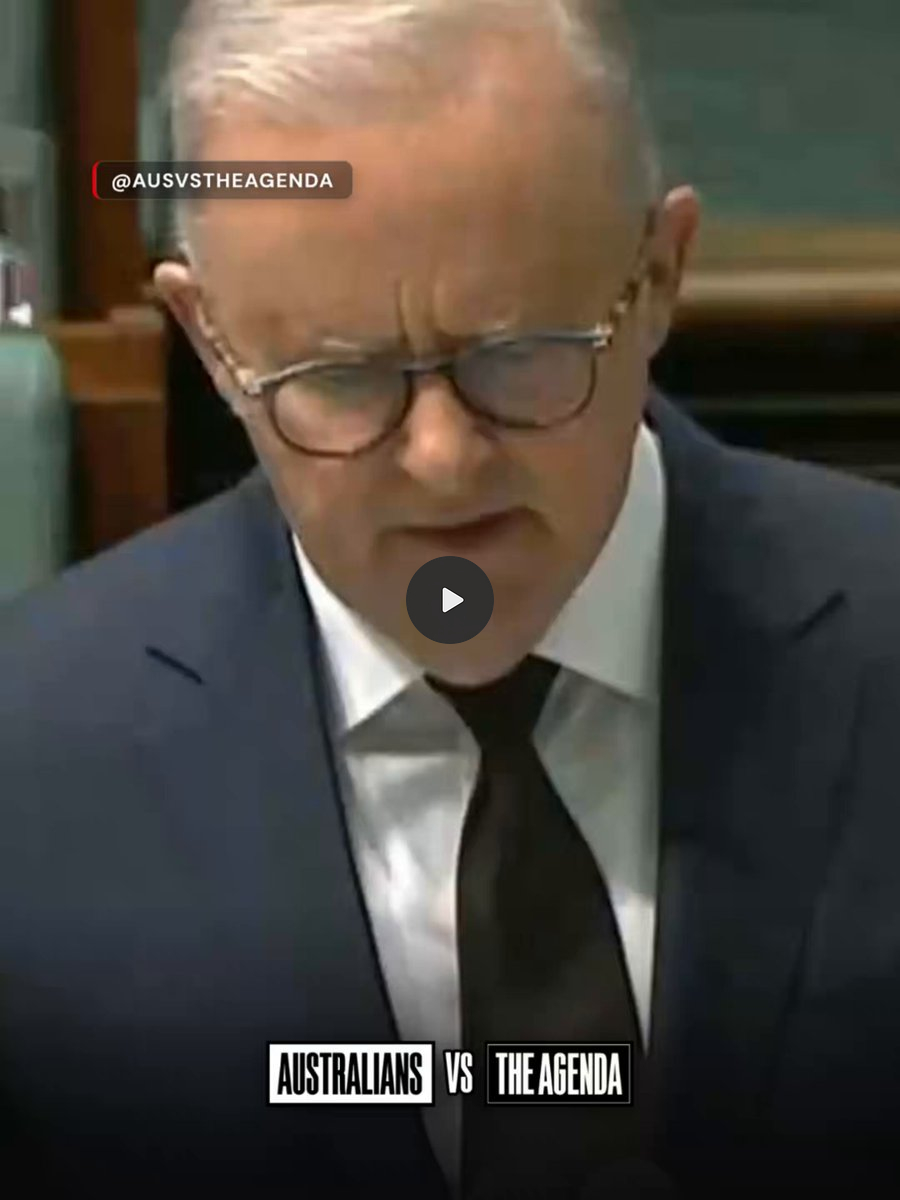
When politicians start identifying lawful religious, cultural and political viewpoints as problems for online safety regulation to address, they are effectively making a case for narrative control.
Under the Labor-Greens agreement, platforms could face penalties of up to five per cent of their global revenue. What incentive does a social media company have to defend an Australian’s right to express a controversial opinion when censoring it could spare the company billions of dollars in fines?
The US Embassy has also weighed in. Following a meeting with Communications Minister Anika Wells yesterday, US Ambassador David Brat reiterated the Trump Administration’s opposition to the legislation.
“Free speech is the foundation of a free society, and protecting it is a U.S. priority,” Brat said.
“Vaguely defined ‘harms,’ backed by penalties of up to 5% of global revenue, will push platforms to censor lawful speech.”
Opposition Leader Angus Taylor condemned the legislation, describing it as “anti-democratic, anti-free speech, and a blank cheque for political censorship”.

“This is not about protecting children. It’s about Labor and the Greens giving the Minister and eSafety Commissioner the power to decide what Australians can see and say online,” Taylor said.
One Nation Leader Senator Pauline Hanson has pledged to repeal the legislation, sack the eSafety Commissioner and pursue constitutional protections for freedom of speech and freedom of the press.


“Our freedoms cannot be contingent on what Labor and the Greens deem acceptable,” Hanson said.
The fundamental problem with allowing governments to police political discourse is that we depend on the freedom of that discourse to hold those very governments accountable.
Freedom of speech is not a concession politicians grant to the public on the condition that they say agreeable things. Nor should Australians have to seek the permission of their elected representatives to express their religious convictions, question government policy or criticise those in power.
A government that can determine the limits of its own criticism cannot be effectively held accountable by the people it governs.
But what would happen if social media companies responded to Labor’s Digital Duty of Care laws by shutting down their platforms in Australia altogether? Ban the entire country. Zero access.
In February 2021, Facebook blocked Australians from accessing and sharing news content in response to the Morrison Government’s proposed News Media Bargaining Code. Within days, the government agreed to amend the legislation, and Facebook restored access to news content.
What would happen if the major social media companies took a similar stand against Labor’s censorship laws? How long would the government hold its ground if millions of Australians suddenly lost access to Facebook, Instagram, YouTube and X, and businesses across the country were cut off from their customers?
Rather than allowing the government to outsource its censorship to private companies, those companies could force the government to take political responsibility for the consequences of its own legislation.
Let Labor explain to the Australian public why its determination to control what Australians say on social media has left them unable to say anything on those platforms at all.