


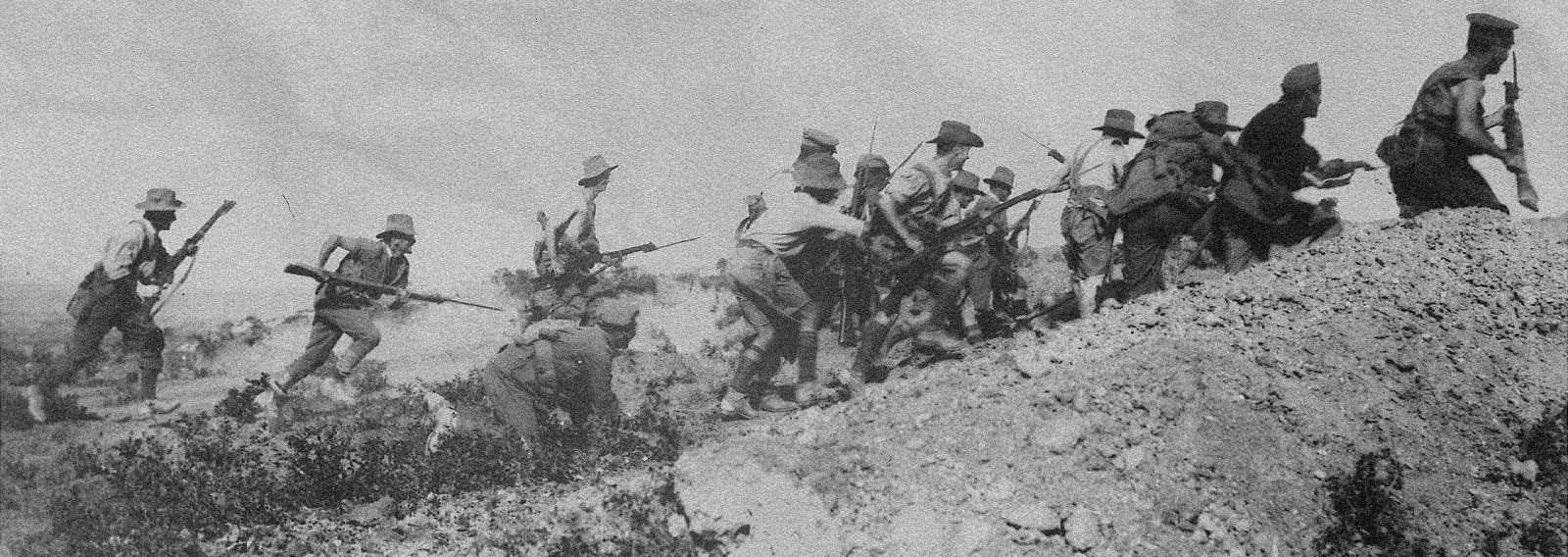
Every year on ANZAC Day, Australians pause to remember the men who stormed the beaches of Gallipoli and those who followed them into later wars. But we do not remember them in a vacuum. To remember the ANZACs is to recall a particular kind of Australian. That is, men shaped and motivated by a distinct vision of nation, duty, identity, and moral order.
Yet for many of us, there is now an undeniable disconnect between what the ANZACs stood for and what “modern Australia” now claims to be. The further modern Australia distances itself from nationalism, patriotism, Christianity, and a coherent sense of identity, the harder it becomes to remember the ANZACs without noticing that growing contradiction. What we once were is no longer what we are.
Here are five reasons why:
1. Nationalism vs. Anti-Nationalism
The men we remember each ANZAC Day didn’t fight for an abstract idea of “global citizenship.” They didn’t bleed for a “propositional nation,” or an economic zone. The ANZACs fought for Australia—a real nation, a real people, with a definition as clear as its borders. Modern Australia, by contrast, often treats nationalism as something to be distrusted and diluted. It is a nation uneasy with itself, and so, it cannot easily honour those who died for its preservation.
2. Christianity vs. Secularism
The sacrifice of the ANZACs was shaped by a moral framework that was deeply informed by Christianity. Concepts such as duty, sacrifice, love, and meaning found their substance in the Christian faith, embraced by the vast majority of our ANZACs. Modern Australia retains some of the language, but has grown increasingly hostile to its foundation. Without that shared moral vision, remembrance is stripped of substance.
3. Common People vs. Fragmented Identity
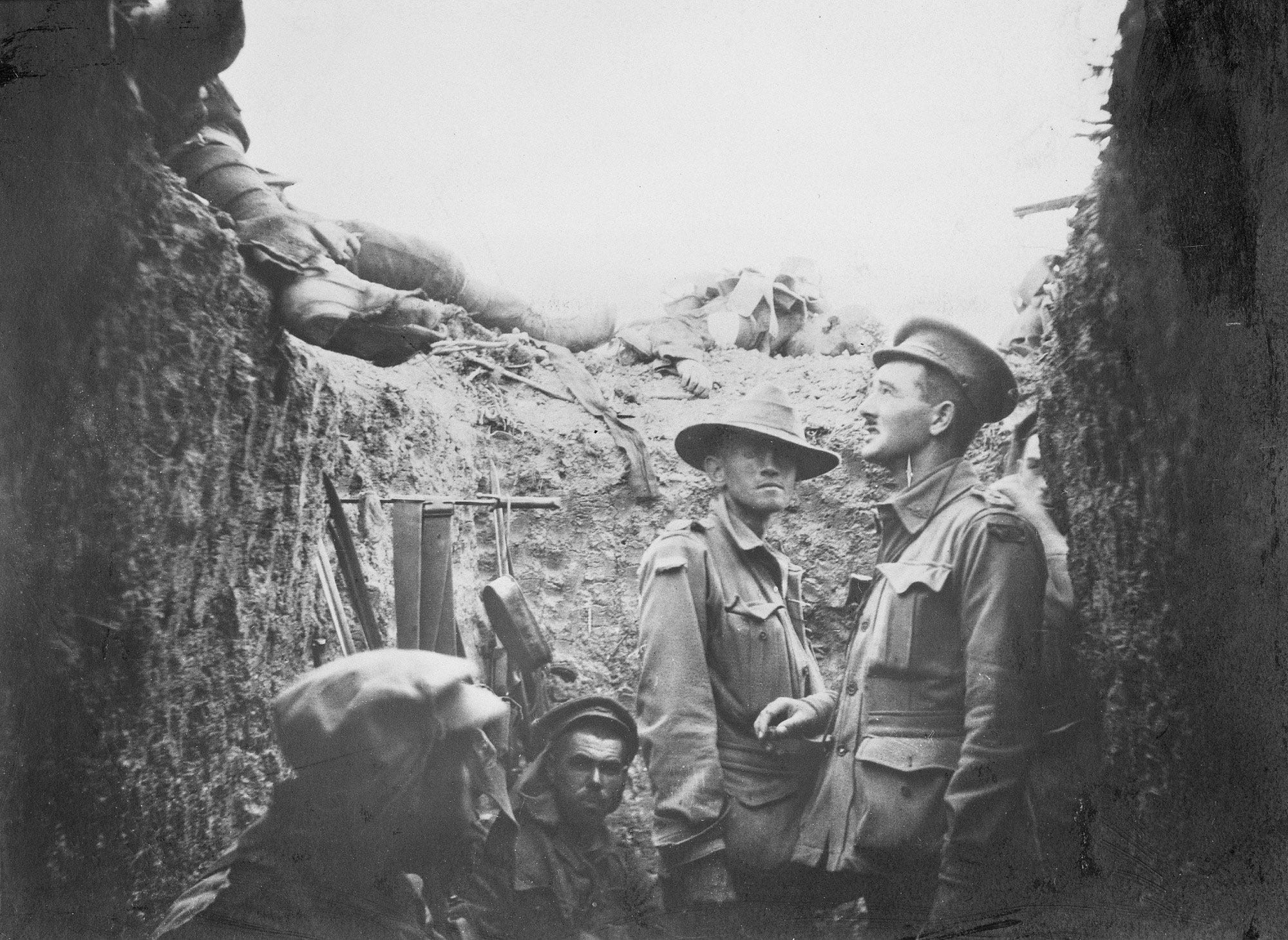
The ANZACs fought as a common people, not an atomised, individualistic population. They shared a story, a culture, a history, and a sense of belonging that made collective sacrifice meaningful and possible. Modern Australia increasingly defines itself as a mosaic of contradictory identities—a patchwork of ethnicities, cultures, and religions, with nothing stitching them together except the land they live on. As our common “we” weakens, so too does the spirit of brotherhood that drove our ANZACs to make the ultimate sacrifice.
4. Australian Pride vs. An Illegitimate Country
The ANZAC generation believed Australia was good, worth protecting, and worth dying for. They weren’t preoccupied with the supposed sins of their fathers. They were proud of their inheritance. ANZAC Day, at its core, is an act of honouring the past. Today, dominant narratives emphasise the national failure, injustice, and moral shortcomings of Australia’s founders. As such, Modern Australia is taught to doubt its own legitimacy and apologise for existing. No sentiment could be further from the ANZAC spirit.
5. Children of the Empire vs. Global Citizens
The ANZACs fought as part of a broader alliance, particularly under the banner of the British Empire. They understood their common heritage and their duty to defend their brothers in arms. Modern Australia distances itself from historical ties, giving no weight to common blood, and preferring a more ambiguous global identity instead.
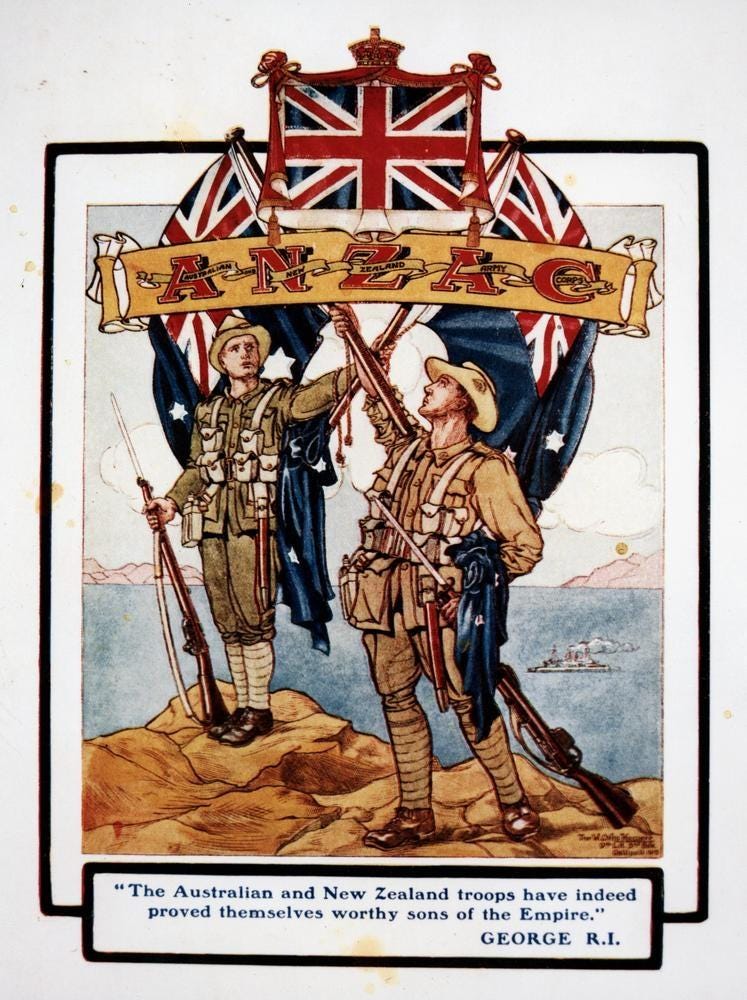
Remembering the ANZACs isn’t incompatible with Australia itself, but it is increasingly at odds with the prevailing vision of modern Australia. Lest We Forget wasn’t meant to be a mere slogan—a meaningless phrase we utter according to the dictates of some bygone tradition. It was our standard. It was a warning.
Either ANZAC remembrance is reduced to a fading symbolic gesture, devoid of all meaning and significance, or else it’s taken seriously as a vivid reminder of who Australians are, and who we ought to be.
So the question is not whether the ANZACs are still worth remembering. They are. The question is whether modern Australia has drifted so far from the nation they fought for, that they can no longer truly remember the men who fought for it.
Lest We Forget.