


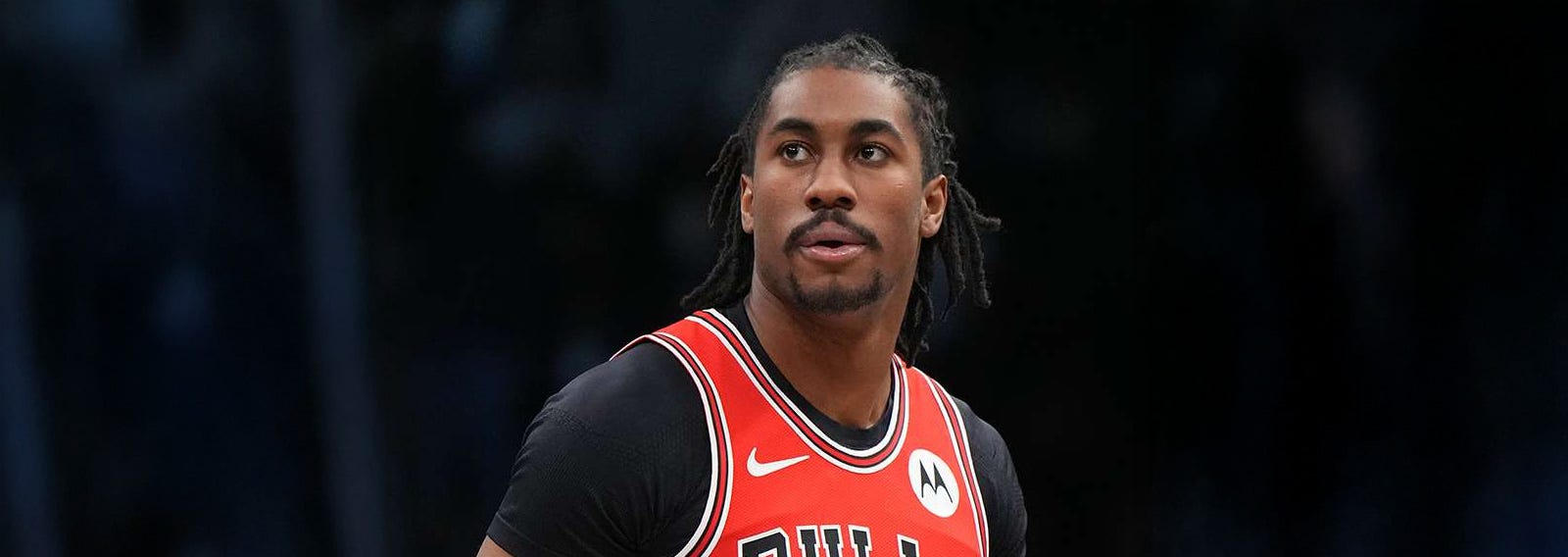
The Chicago Bulls have waived guard Jaden Ivey, citing “conduct detrimental to the team,” in a move that followed closely after the player publicly expressed his Christian beliefs in relation to the NBA’s promotion of Pride Month.
The decision was announced on March 30, via the team’s official social media channels. No detailed explanation of the specific conduct was provided beyond the standard phrasing.


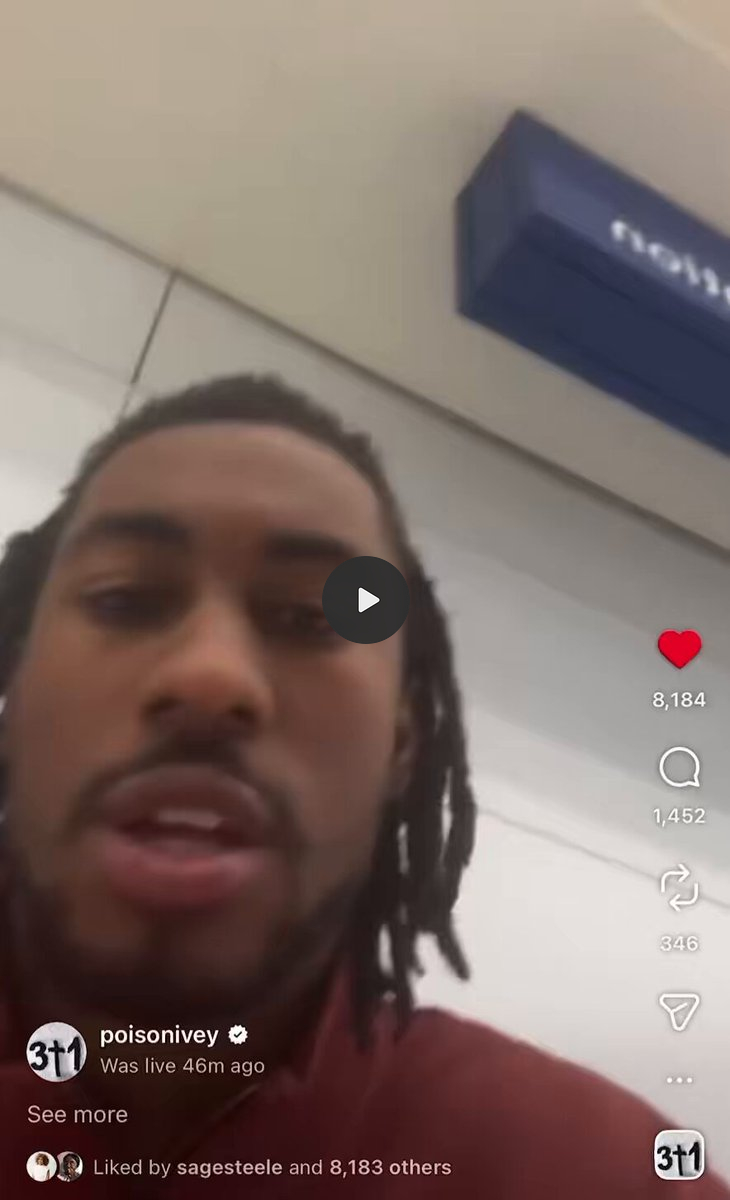
Earlier that day, Ivey had shared an extended Instagram livestream in which he discussed his Christian faith and offered criticism of Pride Month messaging within the league.
Speaking from a Christian perspective, he described such celebrations as inconsistent with biblical teaching on righteousness, while also emphasising his personal faith, stating that he was “alive in Christ” and focused on eternal matters over basketball.

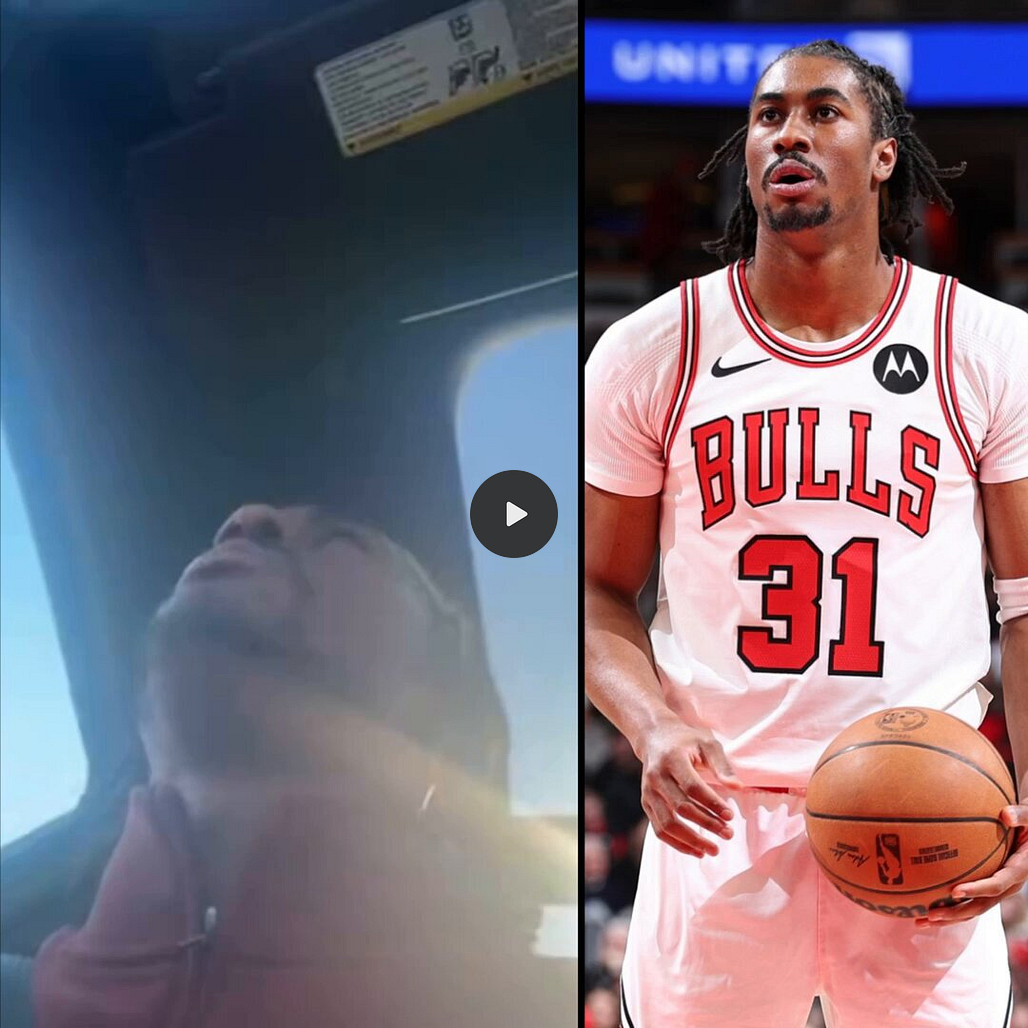
Ivey, who was selected fifth overall in the 2022 NBA Draft and later joined the Bulls after a stint with the Detroit Pistons, had played limited minutes this season due to a knee injury. In recent months, he had increasingly spoken publicly about his faith in interviews and on social media, often describing himself as “born again” and encouraging others to turn to Christianity.
Following news of his release, Ivey responded in a subsequent livestream, disputing the suggestion that his conduct had been harmful to the team. He stated that coaches and teammates could attest to his professionalism and character, and suggested that his release was connected to his Christian expression rather than any issue within the locker room or on the court. “All I’m preaching about is Jesus Christ,” he said, questioning why that would be grounds for dismissal.

This isn’t an isolated or unique incident. It reflects a broader pattern now familiar across professional sport the world over: Christian athletes will be tolerated, but their Christianity will not.
The moment their faith, their convictions, and their identity meaningfully conflict with the dominant ideological framework, it becomes a problem to be purged. In the case of Ivey, the issue is difficult to miss. By all accounts, he did not disrupt the team. He did not mistreat teammates. He wasn’t violent towards others.
By his own account—and with no public evidence to the contrary—he fulfilled his role professionally. So, what changed? He voiced a conviction that sits at odds with the NBA’s preferred messaging of inclusion and tolerance.
And this is the irony: Christian players are routinely labelled intolerant for holding traditional beliefs. Yet in practice, they are often the only ones modelling a functional tolerance: they continue to play, cooperate, and treat others with fairness despite deep moral disagreement.
Unlike their detractors, they do not call for others to be excluded from the game. They do not seek to purge the league of those who think differently. They actually coexist.
If “inclusion” meant what it claims, that posture would be commended. Ivey would be elevated as a model display of tolerance. A genuinely plural environment doesn’t demand ideological agreement; it requires restraint. It requires the ability to live and work alongside those you fundamentally disagree with. It distinguishes between belief and behaviour, between conviction and conduct.
But this isn’t the standard anymore. Affirmation is welcomed, but dissent is penalised. What remains is not a broad-minded tolerance, but a conditional one—one that risks excluding precisely those, like Ivey, who are willing to live peaceably with difference.
So let’s stop pretending these organisations care about tolerance or inclusivity. If they did, they would recognise and even commend players like Ivey—athletes who continue to work, compete, and treat others with respect despite fundamental disagreements.
But they don’t, because that isn’t the kind of “inclusion” being pursued. What is rewarded is not coexistence, but conformity. The language of tolerance is retained, but its application is selective and used less to accommodate difference than to discipline it.