



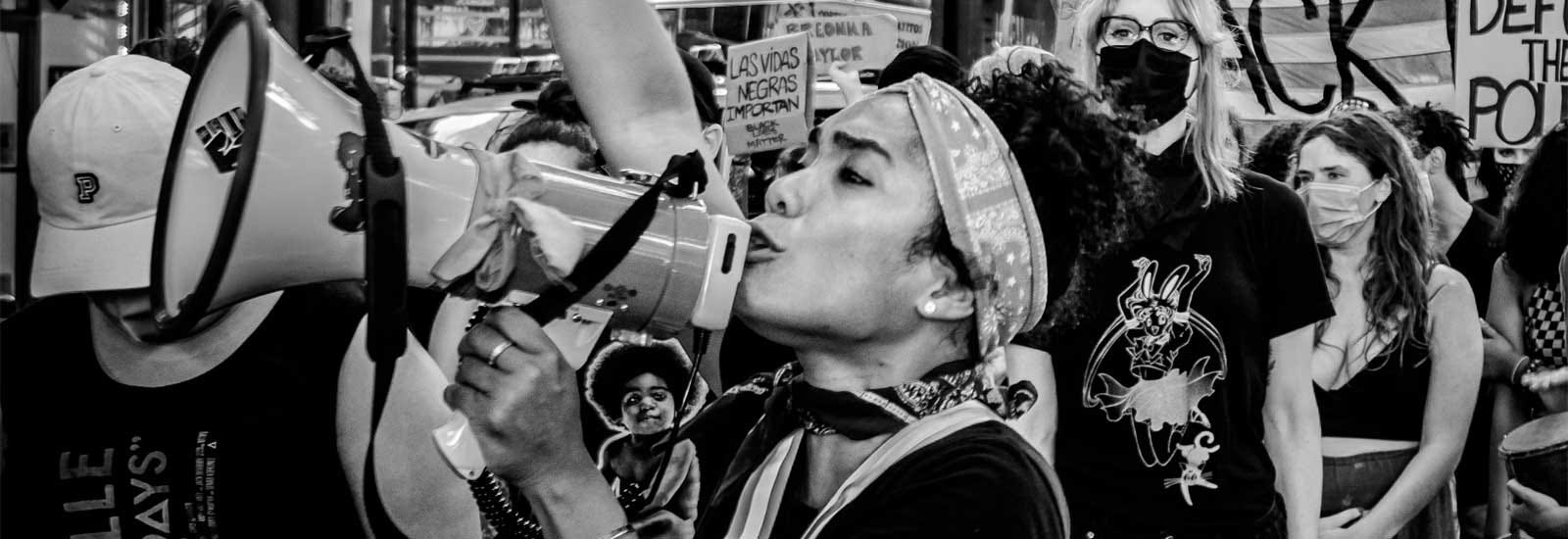
By now, we’ve all heard the phrase “virtue signalling.” The term was popularised in a 2015 article published in The Spectator by British writer James Bartholomew. It refers to the public expression or defence of opinions, beliefs, or values, with the primary purpose of demonstrating one’s moral awareness, compassion, or social and political standing. More often than not, the performance itself is a substitute for practical action. It allows people to appear compassionate without having to make any meaningful sacrifices.
For that reason, the phrase is usually used critically. It suggests that someone is more interested in publicly displaying the “right” opinions than in practically addressing any of the so-called issues that are raised. Of course, those accused of virtue signalling insist otherwise. They argue they’re raising awareness, showing solidarity, or standing with the oppressed. In truth, however, virtue signalling is an inexpensive way to soothe a guilty conscience for a wasted life. They do little themselves, while demanding that everyone else do something.
But there’s a more obvious issue with those who frame themselves as champions of the oppressed classes in order to bolster their public image. If everyone already largely agrees that a cause is righteous, it takes little courage to affirm that position publicly. Moral courage has almost never been socially profitable. The truly oppressed of any age are opposed precisely because the wider culture has been persuaded that their mistreatment is entirely justified. Defending them therefore carries a high cost. Often, there is ridicule, exclusion, professional consequences, and sometimes even imprisonment or death.
This is why so much of modern-day virtue signalling has more in common with historical re-enactments. Rather than confronting the injustices of the present, where courage is necessary and the social cost real, many prefer to relive the moral victories of the past. They loudly and boldly champion causes which the culture has already reached a broad consensus on: opposition to slavery, racial discrimination, or the legal inequality of women. But the positions the “Social Justice Warriors” champion today require no sacrifice, because they are already socially rewarded. They just allow people to present themselves as the kind of heroes who’d have stood against yesterday’s injustices, without having to risk standing against today’s.
It should be obvious, really. If publicly supporting a cause earned you social admiration, career advancement, institutional approval, or social status, it’s worth asking whether the cause actually represents the marginalised or whether it’s become part of the accepted cultural establishment. History demonstrates that the unpopular victims of each age are rarely those receiving endorsements from governments, universities, corporations, celebrities, politicians, and the media. The truly oppressed are never identified by the number of powerful institutions publicly pledging their support.
True justice requires defending those who are oppressed, regardless of who they are or whether it’s socially profitable to do so. The Bible repeatedly commands the defence of the vulnerable and the pursuit of justice. For instance, Micah 6:8 states: “He has told you, O man, what is good; And what does the LORD require of you but to do justice, to love kindness, and to walk humbly with your God.”
And yet, one of the challenges of every age is correctly identifying who is the oppressed and who is the oppressor. History repeatedly shows us that those who hold power are often the quickest to present themselves as victims. They exploit emotions and use the language of suffering and injustice in an effort to justify their privileges, all while perpetuating the suffering of others.
This is where virtue signalling proves to be an oxymoronic performance. In the past, those who defended the genuinely marginalised or spoke against prevailing injustices were rarely, if ever, rewarded for it. They were ridiculed, ostracised, censored, imprisoned, or killed.
Of course, this doesn’t mean that every unpopular or wicked cause is, in fact, righteous, nor that every controversial figure is innocent or worth defending. It is simply to say that popular cultural consensus has never been a reliable measure of justice. So, the real question isn’t whether someone belongs to an approved victim class, but whether their basic dignity, freedom, and rights as human beings are being denied. Are they being treated differently from everybody else on the basis of some particular inherited status?
The real test of virtue is not standing with those whom society rewards you for supporting. It’s standing for truth and justice when doing so carries a cost.
So, if you want to know who the oppressed are in any given age, don’t look to approved causes and social trends. Look instead for those whose defence brings accusation and condemnation. More often than not, they are the people polite society tells you can never be defended.
The question is not, “Who receives the loudest expressions of solidarity?” but, “Who can be defended only at personal cost?” History suggests that the answer to that question is often far closer to the truly oppressed.