


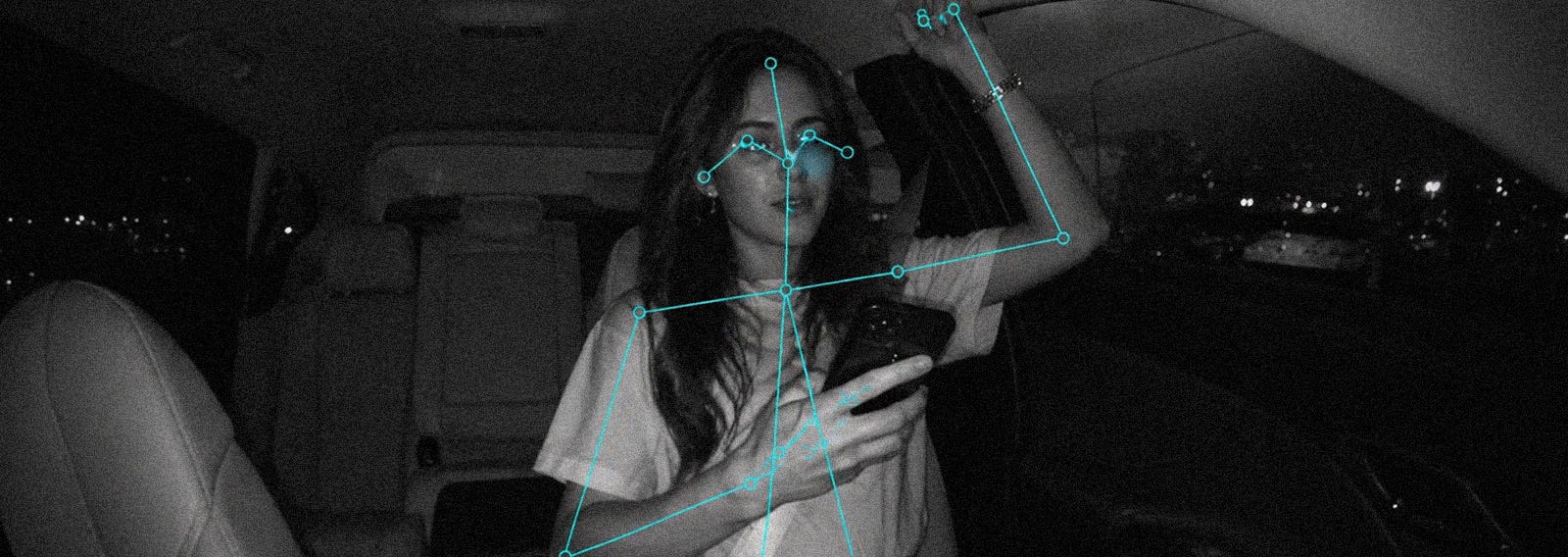
In his dystopian novel, Nineteen Eighty-Four, George Orwell envisioned a future in which citizens lived under constant surveillance, with in-home telescreens ensuring “Big Brother” was always watching—for their own good, of course.
Today, it would seem our lawmakers and politicians are once again mistaking the warning for the blueprint, adopting elements of Orwell’s nightmarish vision in their efforts to combine emerging technologies with public policy.
Legislation in the United States is said to require new passenger vehicles to be equipped with advanced driver-monitoring technology designed to detect driver impairment.
In line with the Infrastructure Investment and Jobs Act, regulators are developing systems that can passively assess whether a driver is sober enough to operate a vehicle, and intervene if impairment is detected by limiting the vehicle’s operation or even preventing it from starting.


Under Section 24220 of the Act, the vehicle safety standards will require all new vehicles to be equipped with “advanced impaired driving prevention technology.”
Although the legislation defined qualifying technology broadly, it must be able to passively detect whether a driver is fit to operate the vehicle, either by monitoring behaviours such as eye movement, alertness, or drowsiness, or by detecting blood alcohol levels at or above the legal limit.
The monitoring systems could include infrared cameras, AI-based monitoring software, or sensors that analyse breath or touch. If impairment is detected, the system can operate as an automatic off switch, preventing the driver from starting the vehicle.
A key feature of the requirement is that the tech must operate “passively,” meaning it doesn’t require active participation from the driver, such as a voluntary breath test.
Supporters argue the measure could significantly reduce road fatalities caused by impaired driving, with advocacy groups pointing to the persistent toll of alcohol-related crashes as justification for the technological intervention.
Critics, on the other hand, have called it a gross violation of privacy and a blatant display of government overreach. If the past decade has taught us anything, it’s that our politicians have no shame in using “health and safety” as a pretext for eroding basic human rights. You don’t want drunk drivers on the roads, do you?
Opponents have also raised concerns about the in-cabin monitoring systems, the data that could be collected, where it would be stored, and how it could be used. Some have labelled it a potential “kill switch,” that—in time—could allow authorities to operate.
Among those raising concerns is Rep. Thomas Massie, who criticised the legislation as intrusive and constitutionally questionable, saying it reads more like a “bad science fiction movie.”
Massie claimed the legislation would require that “every vehicle manufactured is going to have to have a kill switch in it,” explaining that “the car itself will monitor your driving, and if the car thinks that you’re not doing a good job driving, it will disable itself.” In his words, “the car dashboard becomes your judge, your jury, and your executioner.”
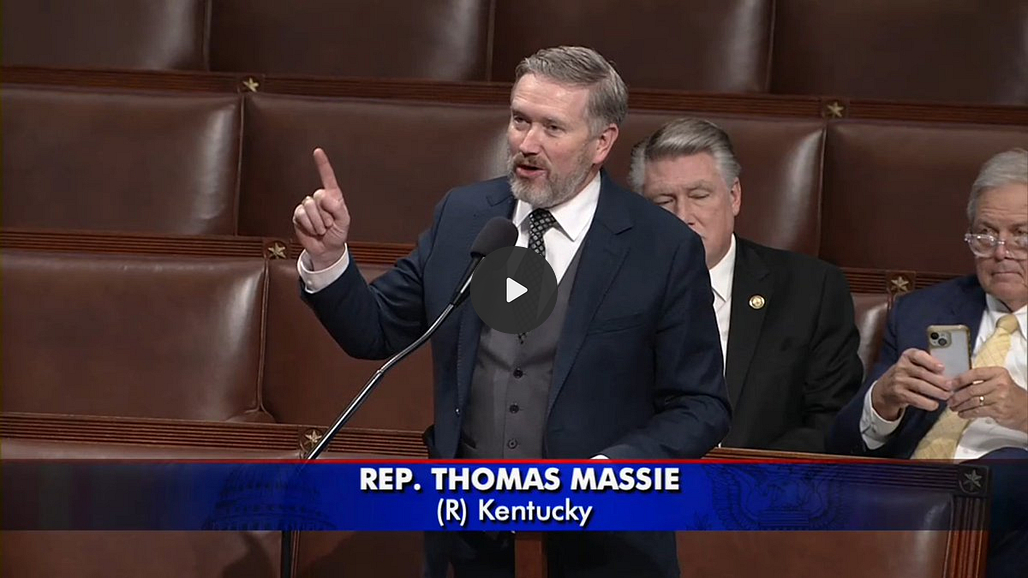
He also warned of real-world consequences, describing a scenario in which a driver navigating poor weather or road hazards could be misjudged by the system and stranded: “Once it’s disabled you and your children at the side of the road, how do you appeal that?”
While acknowledging that “drunk driving is a serious problem,” Massie argued that existing measures already address the issue, pointing out that many states use ignition interlock devices. He concluded by urging lawmakers to reject what he called “an unconstitutional and unworkable mandate.”
Total invasion of human rights. Ripe for accidental consequences then would otherwise be with human stewardship.