


The British Australian Community has called on the Australian Government to clarify its position on national identity and the place of Anglo-Celtic Australians following controversies surrounding ANZAC Day commemorations last month.
In a press release issued on 10 May, the organisation addressed disruptions that occurred during ANZAC Day services in Sydney and Melbourne, particularly, the booing of the Acknowledgement of Country delivered by Ray Minniecon at the Sydney Cenotaph.
BAC argued the incident reflected a growing sense of alienation felt by Australians of British and European descent, and raised concerns surrounding the increasing prominence of Acknowledgement of Country ceremonies at national events.
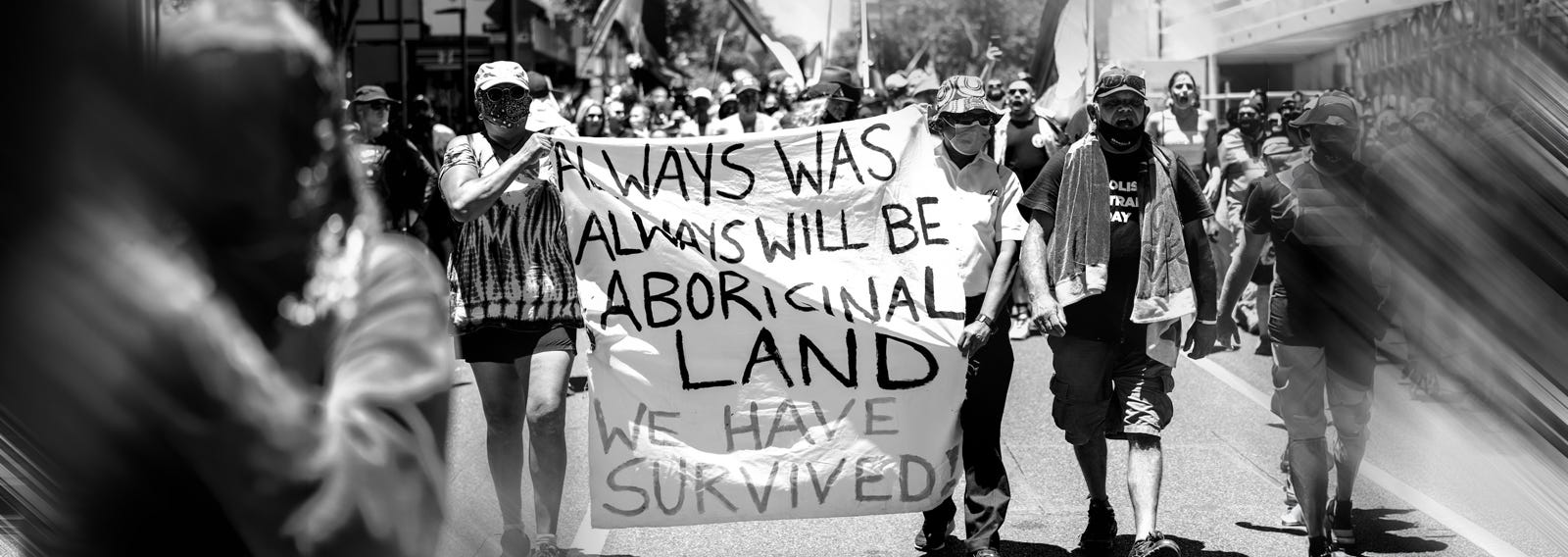
The group highlighted the often-used phrase, “always was, always will be Aboriginal land,” and said many Anglo-Celtic Australians interpret the slogan as implying they are “merely tolerated transient guests” in a nation their ancestors built, defended, and helped shape through generations of settlement and sacrifice.
The statement also referenced comments later made by Ray Minniecon in media interviews, in which he reaffirmed that Australia “always was and always will be Aboriginal land” and described Indigenous Australians as the “traditional owners” and “sovereign owners” of the country.
The British Australian Community argued that such remarks raise questions about the legitimacy of the Australian nation-state and claimed the views expressed were incompatible with the spirit of ANZAC remembrance.

“From the perspective of British descended Australians, to have someone with such extreme views, which are antithetical to the spirit of the ANZAC sacrifices, playing a leading role in the ceremony is an outrage,” the statement said.
The organisation also formally called on the Australian Government to declare its position on the historical and civic role of Anglo-Celtic and European Australians. The statement argued that those communities should be recognised as the people who “settled, built, and shaped the Commonwealth of Australia.”
They outlined questions it wanted clarified by government, including whether Anglo-Celtic Australians should be recognised as the founding people who established one of the world’s “most advanced, egalitarian, and just societies,” whether their cultural and historical concerns deserve recognition comparable to Indigenous Australians, and whether ANZAC servicemen largely fought for a nation that was historically British and European in character.
BAC wrote:
“Specifically, we ask the Government to clarify the following matters:
Are Anglo-Celtic and European Australians to be recognised as the people who created, on this continent, one of the most advanced, egalitarian, and just societies on the planet or are we to regard ourselves as second-class inhabitants whose perspectives will always be subordinate to those of Aboriginal heritage?
Does the Government accept that the concerns of the Anglo-Celtic founding people—concerns shaped by our British heritage of parliamentary democracy, individual liberty, and a tradition of earned national belonging—are legitimate and deserving of special recognition, just as Indigenous peoples are recognised for their special status as the first residents?
Can we agree that the great majority of our service men and women courageously fought, with many falling in combat, for a nation that was almost entirely demographically, culturally, technologically, and historically British and, to a lesser degree, European? It is neither fair nor rational to believe that they would have made such a tremendous sacrifice for a country that considered them invaders and second-class citizens.”
The statement concluded by saying the request was made “not in confrontation, but in good faith,” arguing that clearer recognition of the country’s British-derived foundations would help foster “honesty and mutual respect” rather than deepen division on days intended for national remembrance.
The press release was authorised by Harry Richardson, president of the British Australian Community, and can be read here:

