


“We are a nation of migrants,” they say. But by their own impossibly broad definition, every nation is a nation of migrants. People don’t emerge from the soil. At some point, all peoples moved, settled, and built, which means the phrase explains exactly nothing. It is a mind-numbing slogan, not an argument.
But even if we were to accept the premise, the point is not simply that yesterday’s migrants founded today’s nations. It’s that particular migrants did. That is, people from specific places, bound by a common ancestry, faith, culture, and civilisational inheritance.
Despite what today’s proponents of open borders might suggest, their defining characteristic was not some generic status as “migrants,” but their belonging to a distinct people, settling in a distinct place, and for a distinct purpose. They set out to build a nation precisely for their progeny to inherit. They were not building a waystation for an ever-expanding, interchangeable, and amorphous category of humanity with no shared history, no common loyalty, no unifying commitment or similarity—other than the shared designation of “migrant.”
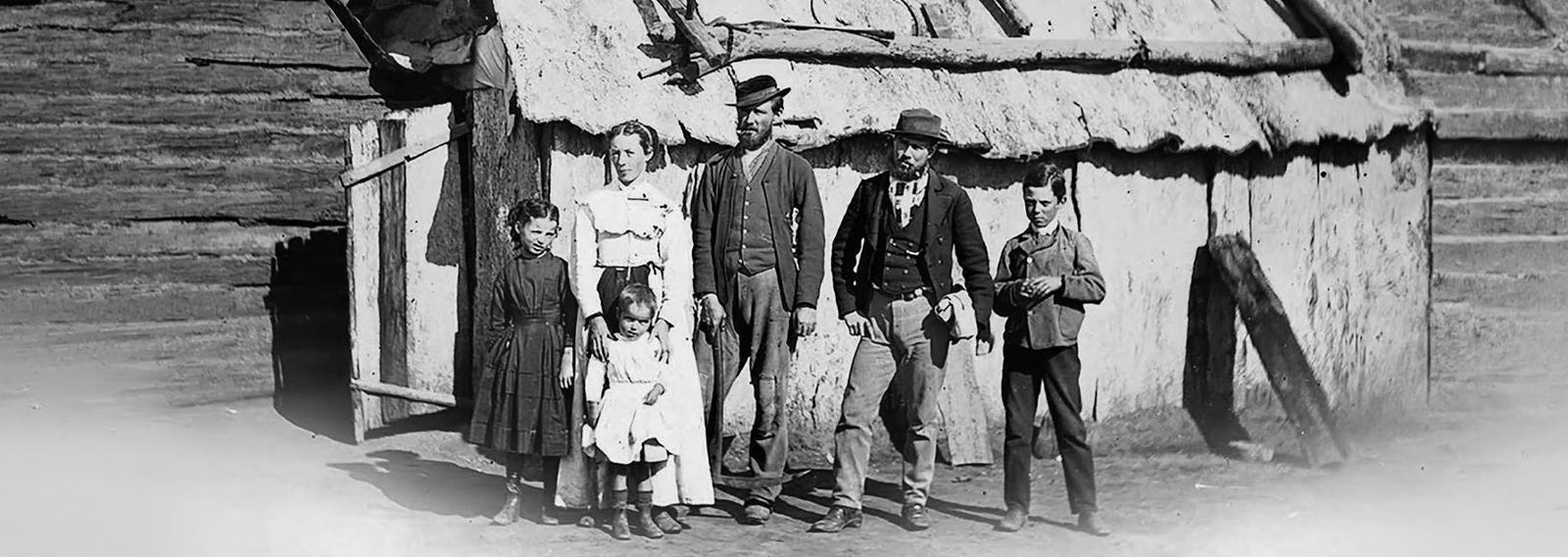
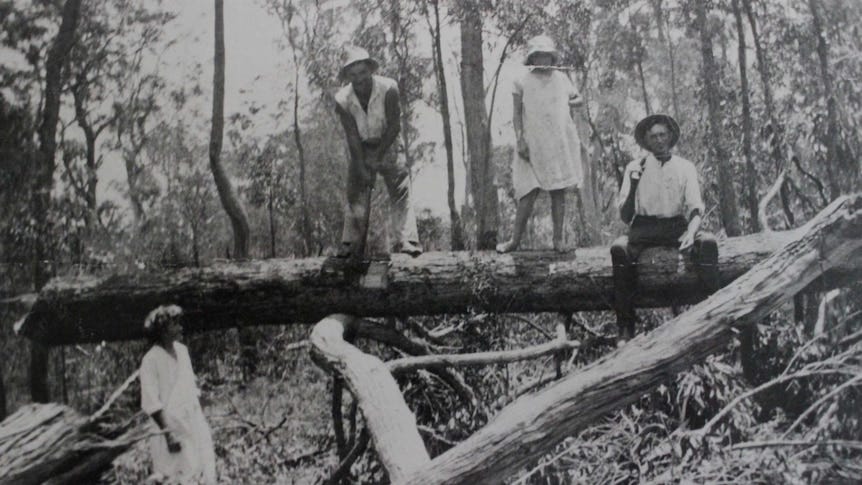
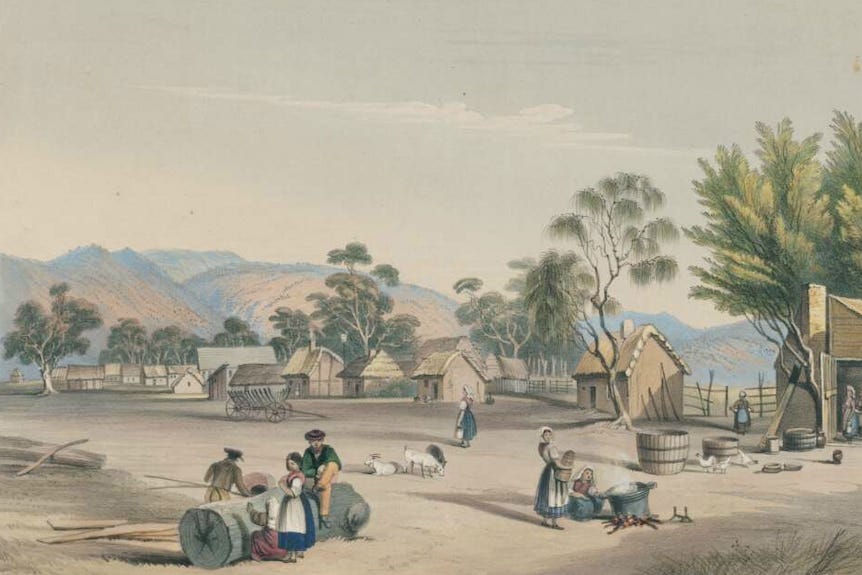
What’s more, the slogan belittles the sheer magnitude of what those founders actually accomplished. They established themselves in untamed wilderness and bushland, in territories where there was nothing at all. There was no infrastructure, no institutions, no organised society to take them in. It was in this harsh and unforgiving environment that they built churches, schools, courts, and first-world cities from bare earth. They forged legal traditions, civic cultures, and high-functioning societies in a remarkably short span of time.
That’s not the same thing as migrating into already established nations, moving into their homes, taking over their institutions, inheriting the fruit of an existing social order, drawing on public goods others sacrificed to create, imposing a foreign culture, all while claiming to identify with the nation’s builders because “we’re all migrants, after all.” There should be no conflation or confusion between the two.
In particular, mass migration into an existing nation has civilisational impacts. It inevitably reshapes the cultural fabric, strains civic institutions, alters the linguistic, moral, and social character of communities, and, when it is large enough, fast enough, and culturally distant enough, can effectively displace the very people whose forebears built those institutions. The people who arrive inherit the fruit of a civilisation their families played no part in creating and bear no obligation to preserve. Any unwillingness to assimilate is a fairly good indication of that.
If the fact that a nation’s founders were once migrants themselves means all subsequent migration must be welcomed without limit or restriction, then by the same logic, since the nation was built by human beings, it must remain open to every human being without condition or end. The argument is absurd. And a nation can only adopt that rationale to its own demise.
To reduce a nation’s founders to mere “migrants” is to strip the word of any meaning whatsoever. It makes no distinction between the pioneer and the passenger, between the builder and the beneficiary, between the man who lays the foundation and the man who moves into the finished house.
Nations are not abstract propositions. They are the living inheritance of particular peoples, shaped by particular histories, held together by particular bonds of culture, memory, and mutual obligation. The question of who joins them, on what terms, and in what numbers is therefore not a trivial administrative matter. It is a civilisational one. And it deserves an answer more serious than empty and insulting slogans.